
Same 25/50/25 as a car. Very different injury.
Arkansas asks a motorcycle to carry the identical liability minimum it asks of a sedan — limits written for bent metal, not for what happens when a rider meets pavement. And liability pays other people. On a bike, the expensive loss is usually you, which puts the weight on coverages most riders never price. Here's what the statute actually requires, why UM/UIM matters more here than anywhere, and how gear, custom parts and passengers really work. We shop it across 40+ carriers.
The short answer
A street-legal bike carries the same 25/50/25 requirement as a car, and that limit pays other people rather than you. Under Ark. Code § 27-20-104, helmets are required for riders and passengers under 21 — and eye protection is required at every age, which is the half most riders don't know. The coverages that actually respond to a rider's injuries are uninsured and underinsured motorist and medical payments. Then check three things a bike policy handles differently from a car: gear, custom parts, and whether passenger liability is even on there.
Everyone knows the helmet rule. Fewer know the rest of the sentence.
Protective headgear is required for operators and passengers unless the person is 21 or older. Protective glasses, goggles or a transparent face shield are required — with no age exemption at all.
Two requirements, one sentence, and only one of them is common knowledge.
Arkansas repealed its universal helmet law in 1997, so riders 21 and over may legally ride without one. That part everybody knows. What sits in the same subsection of the statute is the eye-protection requirement, and it applies to every operator and every passenger regardless of age. A rider legally bare-headed still needs glasses, goggles or a face shield, and so does the person behind them.
There's an insurance dimension to the helmet decision too, and it's worth stating carefully. Arkansas follows modified comparative fault, which means that after a crash an insurer or a court may weigh whether your own choices contributed to your injuries. How that applies to any particular helmet decision is a legal question, and it belongs with an attorney rather than with us. What we can tell you is that it's a real part of how these claims get argued, and that it's a reason to think about the decision as more than a matter of preference.
Separately: the 25/50/25 financial-responsibility minimum applies to a street-legal motorcycle exactly as it does to a car. Same three numbers, same at-fault state behind them, and the same problem — $25,000 per injured person against a rider's injuries is a limit that runs out early.
In a car you're surrounded by the crumple zone. On a bike you are it.
And most motorcycle crashes involving another vehicle are caused by the other vehicle. That combination is the entire argument for uninsured and underinsured motorist coverage on a bike.
The driver who pulls out in front of you decides how your year goes.
Liability protects the people you injure. It's required, it matters, and on a motorcycle it is almost never the coverage that ends up carrying the loss — because the rider is the one who gets hurt. That job falls to uninsured and underinsured motorist coverage, which responds when the at-fault driver has nothing, and when they have the state minimum and it runs dry against a real hospital bill.
Put the two facts together. Roughly one in six Arkansas drivers carries no insurance, and a large share of the rest carry $25,000 per person. Now imagine an orthopedic surgery, a helicopter transport, weeks off work and months of rehabilitation, and ask what $25,000 covers. UM/UIM is the coverage that stands between that arithmetic and your own savings, and it's routinely declined to save a small amount per month. We recommend carrying it at the same limit as your liability, and medical payments alongside it, because med pay moves quickly and doesn't wait for anyone to establish fault.
Ask whether your passenger is actually covered. Don't assume.
This is the genuine surprise in this line. On an auto policy, passengers are covered as a matter of course. On some motorcycle policies, liability for a passenger you're carrying is not automatic and has to be added — often called guest passenger liability. Riders reasonably assume the car rule applies and frequently discover otherwise at the worst possible time. If you ever carry anyone, even occasionally, ask specifically and get the answer in writing on the declarations page. It's a small line item and a very large difference, and it's the first thing we check on a policy somebody brings us.
Six parts, and two of them don't exist on a car policy.
Which are included, optional or unavailable varies by carrier and by bike — the declarations page is the answer, not this list.
Liability
Injuries and property damage you cause, plus legal defense. The state floor is 25/50/25, and it's worth writing well above that in an at-fault state where the shortfall lands on you personally.
Uninsured & underinsured motorist
Your injuries when the at-fault driver has no coverage or not enough. On a motorcycle this is the coverage doing the heaviest lifting, and it's the one most often left off.
Collision
Damage to the bike from a crash, an impact, or laying it down — including a single-vehicle drop where there's nobody else to claim against. Liability-only leaves all of that on you.
Comprehensive
Theft, vandalism, fire, hail and animal strikes. Bikes are stolen more readily than cars and are frequently taken from garages and driveways rather than from the roadside.
Riding gear
Helmet, jacket, boots, gloves, armor, comms. A full set is a serious amount of money, and covering the bike does not cover what you were wearing on it. Usually a separate limit, often defaulted low.
Custom parts & accessories
Exhaust, bars, seat, luggage, screen, lighting, audio, chrome, engine work. Often a large share of what the bike is worth and usually capped at a small default unless the real figure is listed.
Street, dirt and scooter aren't the same policy.
They differ in what the law asks of them, where they're ridden, and which carriers want them.
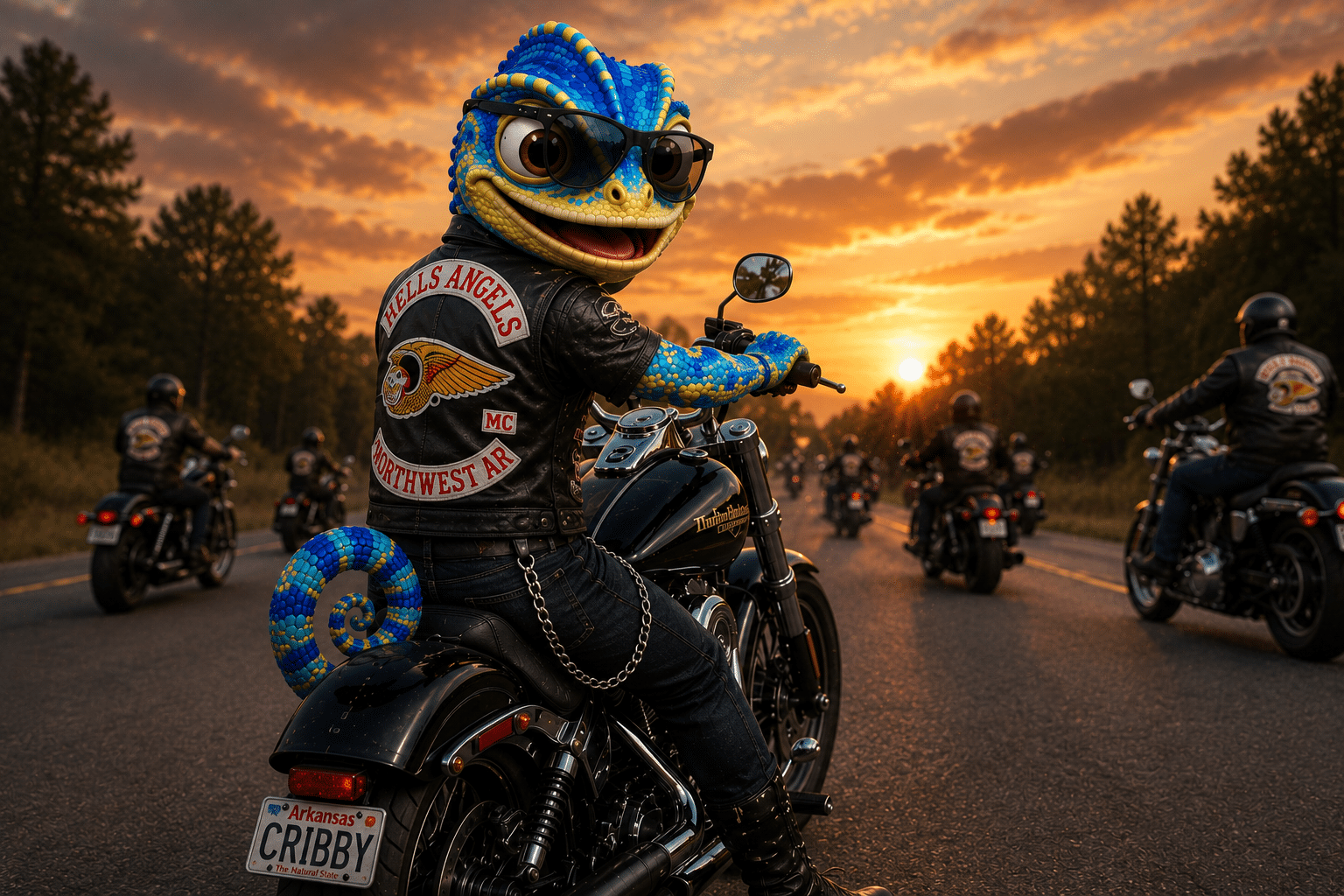
Street & cruiser
Road-legal, so 25/50/25 applies and the statute's equipment requirements do too. This is where liability limits, UM/UIM and passenger coverage all matter most, and where custom parts tend to accumulate.
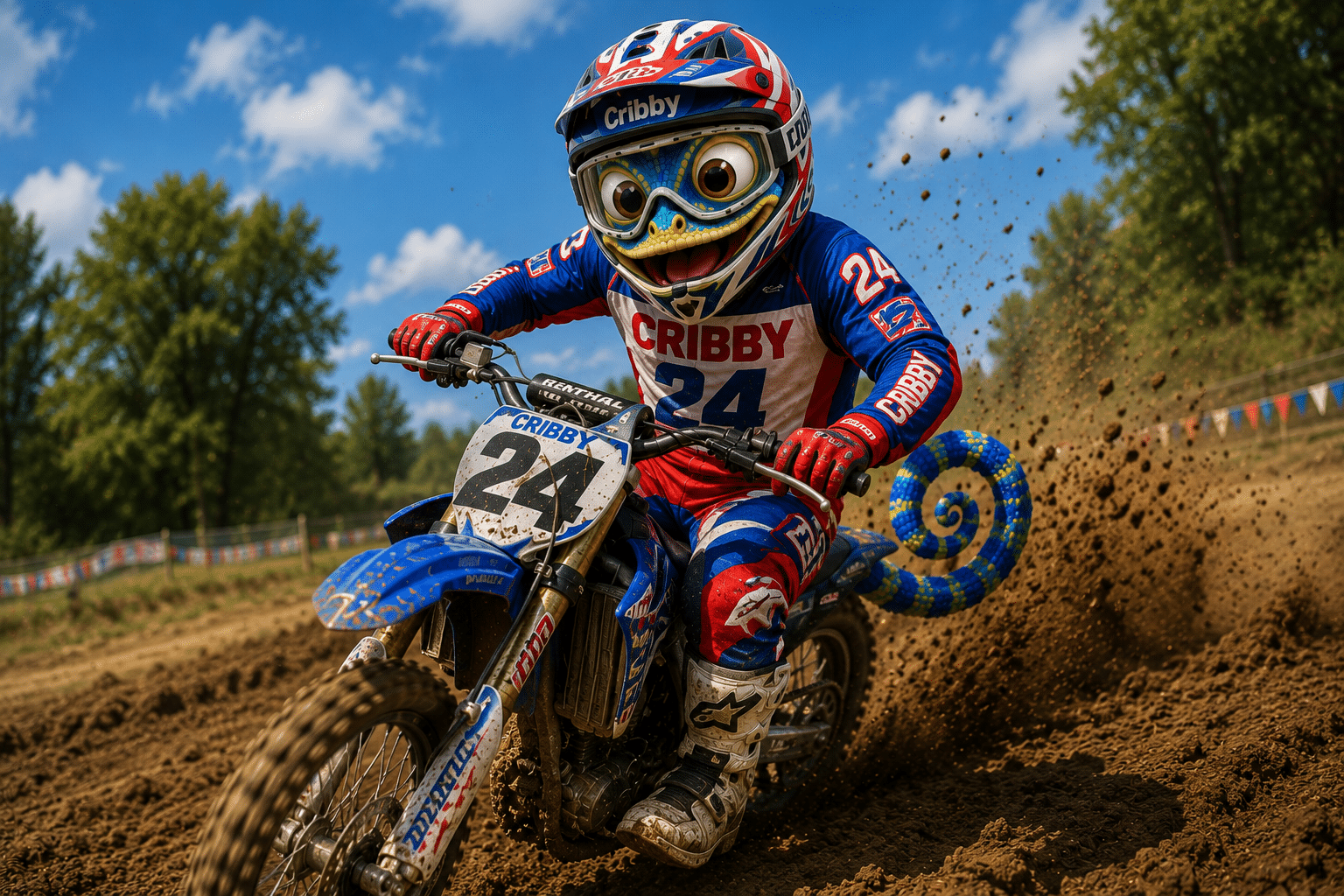
Dirt & off-road
The financial-responsibility rule is about public roads, so an off-road-only bike sits outside it — but a homeowners policy generally won't cover a motorised bike once it leaves your property, which is the same gap an ATV has.
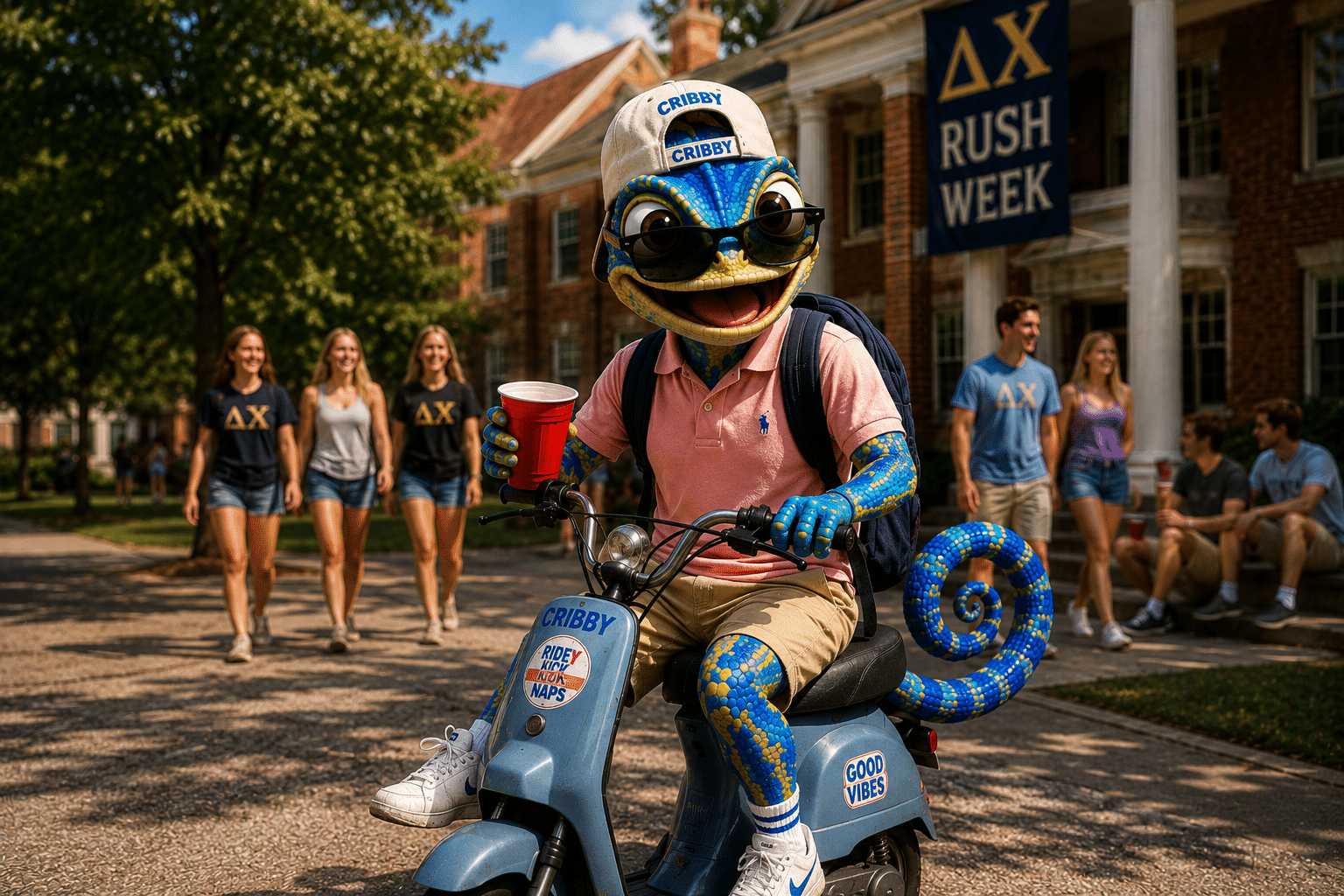
Moped & scooter
Whether one is treated as a motorcycle depends on engine size and how it's used, and the answer changes what's required. Confirm the classification with the Department of Finance and Administration rather than assuming from the price tag.
What a motorcycle policy won't do.
Track days, racing & timed events
Organized racing, timed runs and track days are excluded on essentially every personal form, and practice sessions usually count too. Track-day insurance exists as its own product — just don't assume the street policy follows you through the gate.
Delivery & business use
Courier work, food delivery, guided tours or renting the bike out is commercial use and a personal policy generally won't respond. If the bike earns money, tell us and we'll place something that actually answers.
Wear & mechanical breakdown
Chains, sprockets, tires, brakes, a clutch that wore out, corrosion from a winter outside. Insurance answers sudden accidental loss, and a bike left uncovered through the off-season creates the kind of damage nobody wants to argue about.
Genuinely great riding, and the hazards that come with it.
The roads south and east of the corridor are a genuine destination. The Pig Trail, the run down through the Boston Mountains, and the network of ridge roads across the Ozarks draw riders from several states, which is a good thing and also part of the risk picture: unfamiliar riders on unfamiliar roads, in numbers, on weekends. Add what those roads actually are — tight, off-camber, patched, chip-sealed in places, with gravel washed onto the apex after rain and deer that treat the whole thing as a corridor — and the single-vehicle drop stops being a hypothetical.
Closer in, the exposure changes shape. Riding the I-49 corridor and the arterials through Bentonville, Rogers, Springdale and Fayetteville means sharing space with heavy commuter traffic in an area where drivers are frequently new to the area and looking for an address rather than for a motorcycle. That's the crash type that puts a rider in the hospital and an underinsured driver on the other end of the claim.
Where we earn it.
The quiet mistakes on motorcycle policies are liability left at the state minimum, UM/UIM declined or set far below liability on the one vehicle where the rider takes the impact, passenger liability that was never added, gear insured for nothing, and a custom parts limit that hasn't moved since the bike was stock. We size the liability for the injury rather than for the bike, price UM/UIM at matching limits, check the passenger question first because it's the one most often wrong, total the gear and the accessories at real numbers, and ask whether an umbrella belongs above it. We don't adjust your claim and can't overrule an adjuster — but we build the policy to respond, and we compare it across our 40+ carrier markets rather than one company's appetite.
Priced to the bike and the rider, in that order.
Motorcycle premiums vary too widely for a single meaningful figure — a mid-size cruiser ridden on weekends and a liter sportbike ridden daily aren't comparable risks and aren't priced as such. Cost turns on the type, engine size and value of the bike, your age and riding history, whether you've completed a rider training course, annual mileage and where you ride, where it's stored, the accessories and gear limits you set, your liability and UM/UIM limits, deductibles, and prior claims. Rider training in particular is worth asking about. This isn't a quote or a guarantee. Tell us what you ride and we'll build the real figure with you across our markets.
What usually sits next to it.
Motorcycle insurance questions.
Is motorcycle insurance required in Arkansas?
Yes. A street-legal motorcycle carries the same financial-responsibility requirement as a car in Arkansas, which is 25/50/25. That is twenty five thousand dollars for bodily injury to any one person, fifty thousand for all bodily injury in a single accident, and twenty five thousand for property damage you cause.
Those limits make you legal to ride. They were not set with a motorcycle injury in mind, and they pay other people rather than you. An off-road only dirt bike that never touches a public road is a different question, because the financial-responsibility rule applies to vehicles used on public streets and highways, but the exposure does not disappear just because the requirement does.
Does Arkansas require a helmet?
Under Arkansas Code 27-20-104, protective headgear is required for operators and passengers unless the person is twenty one years of age or older. Arkansas repealed its universal helmet law in 1997, so riders twenty one and over may legally ride without one. The part most riders do not know is in the same subsection. Protective glasses, goggles or a transparent face shield are required for all operators and passengers regardless of age. There is no age exemption for eye protection.
Separately, Arkansas follows modified comparative fault, which means that after a crash an insurer or a court may consider whether your own choices contributed to your injuries. How that applies to a helmet decision in any particular case is a legal question for an attorney rather than for us.
Is my riding gear covered?
Usually only if you have asked for it. Helmet, jacket, boots, gloves, armor and a communication system add up to a serious amount of money, and a policy that covers the bike does not automatically cover what you were wearing on it. Most carriers offer a specific gear or safety apparel limit, sometimes included at a small default amount and sometimes optional.
Add up what a full replacement of your gear would actually cost, including the helmet you would want to replace after any impact, and set the limit against that number rather than accepting the default. Gear is also one of the few things on a motorcycle policy that can be destroyed in a crash where the bike itself is repairable.
Are my custom parts and accessories covered?
Up to a limit that is frequently much smaller than what has been added. Exhaust, bars, seat, luggage, windscreen, lighting, audio, chrome and engine work can represent a large share of what the bike is worth, and a base policy commonly includes only a modest default accessory allowance or none at all.
The remedy is the same one that works on boats and side by sides. Total what has actually been fitted, tell us the number, and set the custom parts and accessories limit to match. It is worth doing this at purchase and again after any significant build, because the value moves in one direction and the policy does not follow it on its own.
Is my passenger covered?
Check, because this is one of the genuine surprises in this line. On some motorcycle policies, liability coverage for a passenger you are carrying is not automatic and has to be added, sometimes called guest passenger liability. That is different from an auto policy, where passengers are covered as a matter of course, and riders reasonably assume the same applies.
If you ever carry anyone, ask specifically whether passenger liability is on your policy and get the answer in writing on the declarations page. Medical payments coverage is worth reviewing at the same time, because it can respond for injuries to you or a passenger without waiting for fault to be sorted out.
How do I get a motorcycle insurance quote in Northwest Arkansas?
Start a personal quote online or call (479) 286-1066. Have the year, make, model and VIN, an honest total for what has been added to the bike, a list of your gear and roughly what it would cost to replace, where the bike is stored, how much you ride and where, your riding history and any training courses completed, and whether you ever carry a passenger.
Tell us if it is an off-road bike, a moped or scooter, or a street bike, because those are three different placements. We size the liability for the injury rather than for the bike, price uninsured and underinsured motorist alongside it, list the gear and the custom parts at real numbers, and compare it across our markets.
If our coverage explainers are useful, mark Cribb Insurance as a preferred source so more Northwest Arkansas riders can find our local, plain-English guides.
Tell us what you ride and whether anyone rides with you.
Give us the bike, an honest total on what's been added to it, what your gear would cost to replace, and where it lives. We'll size the liability for the injury rather than the machine, price UM/UIM at matching limits, confirm in writing whether passenger liability is actually on there, and compare it across our markets. If you've done a rider course, tell us — it's worth asking about.

Cribb Insurance Group Inc. is an independent insurance agency licensed in Arkansas. This page describes motorcycle, dirt bike, moped and scooter insurance in general, industry-standard terms for informational purposes only. It is not a policy, not an offer of insurance, and not a guarantee of coverage, availability, eligibility, or price.
Liability, collision, comprehensive, uninsured and underinsured motorist, medical payments, guest passenger liability, riding gear or safety apparel, custom parts and accessories, trailer and transport, and roadside coverages, along with limits, deductibles, covered causes of loss, and exclusions, are set by the carrier, vary by state and by policy and over time, are subject to the carrier's underwriting approval and eligibility, and apply only as written in the policy actually issued to you. Passenger liability is not automatically included on every motorcycle policy and may need to be added; confirm it on your own declarations page. Racing, timed events and track use, delivery and other business use, wear and tear and mechanical breakdown are commonly excluded. Eligibility depends on the motorcycle, its use, storage, operators and prior claims.
Statements about Arkansas requirements summarize Ark. Code Ann. § 27-20-104 and the state's financial-responsibility minimums and are general information, not legal advice. Requirements depend on how and where a vehicle is operated, differ for off-road machines, mopeds and scooters, and change over time; confirm current requirements and vehicle classification with the Arkansas Department of Finance and Administration. The reference to modified comparative fault is a general description of Arkansas law and is not advice about any claim; how fault is allocated in a particular case is a legal question and questions about a specific accident or claim belong with your own attorney. Nothing here should be read as advice about whether to wear a helmet. Any cost or coverage descriptions are general and illustrative, not a quote, and not a guarantee; your premium and coverage are determined at quote and by the policy issued.
Last reviewed July 2026.